5 Signs You May Need A New Website in 2026
Wondering if it’s time for a new website in 2026? Discover 5 clear signs your website may be outdated and how a redesign can help your business grow.
Updated November 12, 2026

Your website is one of your business’s most important tools. It works 24/7, representing your brand, answering questions, and turning visitors into customers.
But as technology and customer expectations evolve, your website can fall behind, sometimes without you even noticing. In 2026, a website that doesn’t pull its weight can cost you traffic, trust, and sales.
Over the past few years, websites have changed significantly. Design trends evolve, search engine algorithms are updated regularly, and user behavior continues to shift.
Recent website usage and performance statistics show that businesses with outdated websites are more likely to lose visibility, user trust, and engagement as expectations continue to rise.
Here are five clear signs that it might be time for a new website, plus what each one means for your business.
Sign #1: Your Site Looks Outdated
Design trends change fast. What looked modern three years ago can feel old or cluttered now. More than just aesthetics, outdated design affects trust.
People form an opinion of a website almost instantly, and that first impression can decide whether they stay, engage, or leave. Google’s own page experience guidance asks site owners to think about how a page feels to use, not just what it says.
If your site uses old fonts, clashing colors, or layouts that don’t feel intuitive, visitors will notice. An outdated look can make your company seem less professional or out of touch, even if your services are great.
Fresh design isn’t just about looking good. It improves usability, builds trust, and helps people connect with your brand emotionally.
Sign #2: Your Website Isn’t Mobile-Friendly
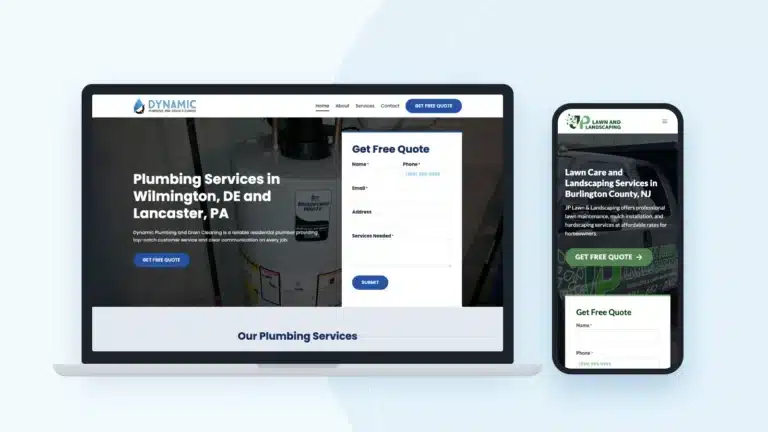
More people browse on mobile than on desktop today. A site that doesn’t resize and adapt smoothly for phones and tablets will frustrate visitors. That frustration turns into lost leads and higher bounce rates.
Responsive web design means your pages look and work great on all screen sizes. This helps people find what they need quickly, no matter how they are accessing your site. If you need to pinch and zoom to read text or tap a button, your site is likely hurting your business.
A truly mobile-friendly website also boosts your search engine rankings. Search engines prioritize sites that give people great experiences, and mobile usability is a big part of that.
Sign #3: It’s Slow or Hard to Use
Speed matters more than ever. Modern users expect pages to load almost instantly, and when a site is slow, people are far more likely to leave.
Studies on website load speed and user behavior show that even small delays can significantly increase bounce rates and reduce engagement, ultimately impacting revenue and conversions.
Slow sites also struggle in search rankings because search engines look closely at performance metrics like speed and responsiveness.
But speed isn’t the only part of usability. Think about how easy your navigation is. Can someone find your most important information without confusion? Can they complete key actions like booking, buying, or contacting you in just a few clicks?
If your site feels clunky or confusing, you may be losing visitors long before they become customers.
Sign #4: Your Brand Has Changed
A website created when you first started might not reflect where your business is today. Maybe you’ve added new services, changed your messaging, or rebranded your look.
When your online presence doesn’t match your current business identity, it creates confusion. Your website should feel like a true extension of your brand, consistent with everything else you do. If it doesn’t, that’s a big sign it’s time for a refresh.
Updating your website helps reinforce your credibility and makes sure visitors see your story exactly the way you want them to.
Sign #5: You’re Not Getting Results
If your website isn’t helping you attract customers, it may be doing more harm than good. Signs of underperformance include:
- Declining traffic over time
- Low conversions or engagement
- People leaving without taking action
These issues often point back to user experience, technical SEO, or outdated content. A modern website redesign focuses on all of these areas. It’s not just a new look. It’s a chance to rethink how your site helps achieve your business goals.
Improving content, reorganizing pages, and fixing technical issues can give your site a real boost in performance.
Why Updating Your Website Matters in 2026
Websites in 2026 are more than static brochures. They are dynamic tools for growing your business. A strong website today focuses on accessibility and thoughtful design that naturally guides visitors toward taking the next step. These are a few key trends worth keeping in mind as you plan for 2026.
Better User Experience
Good user experience keeps people on your site longer. That means they have more time to learn about your services, trust your brand, and take action. Better UX also supports your SEO because search engines reward sites that people enjoy visiting.
Improved Search Visibility
Search engines today care about speed, mobile usability, security, and content relevance. A site that checks all those boxes will rank higher and attract more organic traffic.
Stronger Brand Trust
A professional, modern site shows people you care about quality. It builds trust before you even speak to someone.
Higher Conversions
Whether you want more calls, form submissions, or purchases, updated design and optimized content help turn visitors into customers.
What to Do Next
Wondering where to start? Here are a few simple steps:
Check how fast your site loads and how it looks on mobile devices
You can use tools like Google’s PageSpeed Insights or simply view your website on your own phone and tablet to see how easy it is to read, scroll, and interact with.
Review your analytics
Look for patterns in traffic, bounce rate, and conversions that might point to problems in Google Analytics.
Think about your brand and goals
Does your website tell your story clearly? Does it highlight your best services?
Ask for an expert review or audit
An outside perspective can reveal issues you might overlook. We’re always happy to help with our website audits!
Final Thoughts
A website that works well for your business today needs to be fast, mobile-friendly, easy to use, and aligned with your brand goals. If your current site isn’t helping you win customers or rank well, or if it simply looks outdated, it may be time for a fresh start in 2026.
Your website should be one of your strongest marketing assets. Investing in a modern site now will pay off in more leads, better search visibility, and stronger credibility. When your website is working for you, your business can grow without limits.